
Dominika Muszyńska
Graphic by Arsen Wanatko
The Nature of Dreams:
Dreams, those ethereal landscapes of the sleeping mind, have been the subject of centuries-old speculation. However, the scientific exploration of dreams has only gained momentum in recent decades. Researchers have identified different stages of sleep, with Rapid Eye Movement (REM) sleep being particularly crucial for dreaming. During REM sleep, the brain experiences heightened activity, resembling wakefulness, and vivid dreams often accompany this phase. Neurobiological studies have provided insights into the brain regions involved in dream generation. The prefrontal cortex, responsible for executive functions and self-awareness, exhibits reduced activity during dreaming, potentially explaining the surreal and irrational nature of dreams. Meanwhile, the limbic system, associated with emotions and memory, plays a pivotal role in shaping the emotional content of dreams.
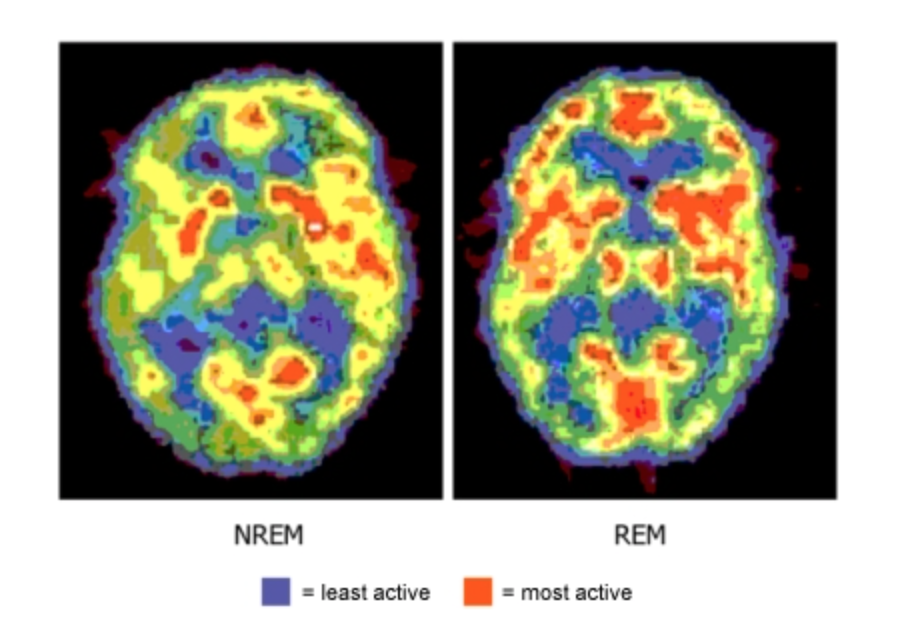
Image Source: howsleepworks.com
The Interpretation of Dreams:
The exploration of dream interpretation has traversed centuries, with early psychological theories from visionaries like Freud and Jung shaping our understanding of the symbolic language of dreams and the workings of the unconscious mind. While contemporary psychology has veered away from some of the more speculative aspects of these pioneering theories, the enduring significance of dreams in emotional processing and memory consolidation remains a cornerstone of psychological inquiry.
Freud’s emphasis on the subconscious as a reservoir of repressed desires and Jung’s exploration of archetypal symbols laid the groundwork for a rich tapestry of dream analysis. Although these theories may be viewed through a critical lens today, they sparked a dialogue that continues to influence how we approach the profound realm of the sleeping mind.
Modern psychological research has embraced a more empirical approach, employing neuroscientific methods and advanced imaging technologies to delve into the neural substrates of dream experiences. However, the essence of dream interpretation persists in recognizing the intricate interplay between emotions, memories, and the subconscious. Recent studies illuminate the multifaceted functions of dreams, extending beyond a mere replay of daily experiences. One of the fascinating aspects that has emerged is the role of dreams in emotional regulation and resilience. Dreams, it seems, are not just passive reflections of our waking lives but active contributors to our emotional well-being.
The emotional tone of dreams, often vivid and charged with affect, appears to play a pivotal role in processing and integrating challenging emotions during sleep. This suggests that the sleeping mind engages in a sophisticated form of emotional regulation, providing individuals with a unique opportunity to navigate and make sense of complex feelings. Dreaming, it appears, is not a passive act, but rather an active mechanism through which the mind engages with and transforms emotional experiences. This dynamic process contributes to the overall psychological resilience of individuals, allowing them to face the complexities of their inner worlds in a way that extends beyond the waking state.
As we bridge ancient theories with modern insights, the study of dream interpretation evolves into a nuanced exploration of the human psyche. The merging of historical perspectives with contemporary research not only deepens our appreciation for the complexities of dream experiences but also opens doors to innovative therapeutic approaches.
In this broader context, the interpretation of dreams becomes a dynamic intersection of psychology, neuroscience, and the enduring mysteries of the human mind. While Freud and Jung may have set the stage for our understanding of dream symbolism and the unconscious, ongoing research continues to illuminate the multifaceted functions of dreams, highlighting their crucial role in emotional processing, memory consolidation, and the cultivation of psychological resilience.
Lucid Dreaming:
The phenomenon of lucid dreaming, a state where individuals become aware that they are dreaming and gain a degree of control over their dream narratives, has emerged as a captivating frontier in scientific research. This unique aspect of dreaming not only sparks the imagination but also opens a fascinating window into the potential of conscious awareness during the mysterious realm of sleep.
Neuroscientific investigations into lucid dreaming have employed advanced imaging techniques, unveiling distinctive patterns of brain activity associated with this conscious dream state. These studies suggest a profound connection between heightened self-awareness and specific neural networks, providing valuable insights into the mechanisms underlying the conscious manipulation of dreams. Beyond its scientific intrigue, lucid dreaming holds promise for therapeutic applications. Researchers are actively exploring how inducing and enhancing lucidity in dreams can be utilized in the treatment of mental health conditions such as post-traumatic stress disorder (PTSD) and recurring nightmares.
The potential therapeutic benefits of lucid dreaming lie in its ability to empower individuals to confront and process traumatic experiences within the safe confines of the dream world. By actively participating in and altering the dream narrative, individuals may find a unique avenue for emotional catharsis and resolution. This innovative approach represents a fusion of psychological techniques and the enigmatic landscape of dreaming.
In the realm of mental health, where traditional therapeutic modalities may have limitations, lucid dreaming offers a complementary and potentially transformative tool. The controlled environment of the dream state becomes a canvas for individuals to address and reframe their experiences, providing a novel perspective on the healing process.
The development of techniques to induce lucidity in dreams is a burgeoning area of research, driven by the desire to unlock the therapeutic potential of conscious dream exploration. Methods such as reality testing, where individuals regularly question their waking state to establish a habit of critical awareness, and mnemonic induction, involving mental exercises to enhance dream recall and awareness, are just a few of the strategies being explored. As our understanding of the complexities of lucid dreaming grows, so too does the recognition of its broader implications for the human mind. The conscious navigation of dreams not only challenges conventional notions of the boundaries between waking and sleeping states but also prompts a reconsideration of the nature of consciousness itself.
Lucid dreaming stands at the intersection of scientific inquiry, mental health innovation, and the age-old fascination with the mysteries of the mind. It beckons us to explore the profound potential of conscious awareness within the vast and uncharted landscapes of the dream realm. As scientists unravel the intricacies of lucid dreaming, we find ourselves on the threshold of a new frontier, where the boundaries between the waking and dreaming worlds blur, inviting us to reimagine the possibilities of the human psyche.
The Importance of Sleep
Sleep, often overlooked in the hustle and bustle of modern life, is a fundamental pillar of overall health and well-being. Its significance extends far beyond mere rest, as it plays a crucial role in maintaining cognitive function, emotional balance, and physical health. Understanding the importance of sleep is the first step toward cultivating habits that support a healthy and fulfilling life.
- Cognitive Function:
- Quality sleep is essential for cognitive processes such as learning, memory consolidation, and problem-solving. During sleep, the brain undergoes crucial activities that solidify and organize memories, enabling individuals to retain information and make better-informed decisions when awake.
- Emotional Regulation:
- Sleep has a profound impact on emotional well-being. Adequate and restful sleep fosters emotional resilience, allowing individuals to manage stress, regulate mood, and navigate challenging situations more effectively. Conversely, sleep deprivation can heighten emotional reactivity and contribute to mood disorders.
- Physical Restoration:
- The body utilizes sleep as a period for physical restoration and healing. Cellular repair, immune system strengthening, and the release of growth hormones occur predominantly during sleep. Chronic sleep deprivation, on the other hand, may compromise immune function, increase inflammation, and contribute to various health issues.
- Metabolic Health:
- Sleep is intricately linked to metabolic health. Disrupted sleep patterns can affect appetite-regulating hormones, potentially leading to weight gain and an increased risk of metabolic conditions such as diabetes. Maintaining a consistent sleep schedule contributes to better metabolic function.
Cultivating Healthy Sleeping Habits
Now that we understand the critical role of sleep in overall well-being, it is imperative to adopt habits that promote healthy and restorative sleep. Here are some practical strategies to enhance sleep quality:
- Establish a Consistent Sleep Schedule:
- Going to bed and waking up at the same time every day helps regulate the body’s internal clock, optimizing the quality of sleep. Consistency reinforces the circadian rhythm, aligning with the natural sleep-wake cycle.
- Create a Relaxing Bedtime Routine:
- Engage in calming activities before bedtime to signal to your body that it’s time to wind down. This may include reading a book, practicing relaxation techniques, or gentle stretching.
- Optimize Your Sleep Environment:
- Ensure that your bedroom is conducive to sleep. Keep the room cool, dark, and quiet, and invest in a comfortable mattress and pillows. Minimize electronic devices in the bedroom to reduce exposure to stimulating blue light.
- Limit Stimulants and Screen Time:
- Avoid stimulants such as caffeine and nicotine in the hours leading up to bedtime. Additionally, reduce screen time before sleep, as the blue light emitted by electronic devices can interfere with the production of the sleep-inducing hormone melatonin.
- Stay Active During the Day:
- Regular physical activity contributes to better sleep quality. However, try to avoid vigorous exercise close to bedtime, as it may have an alerting effect.
- Watch Your Diet:
- Be mindful of your eating habits, especially in the evening. Heavy meals and spicy foods can cause discomfort and disrupt sleep. Consider having a light snack if you’re hungry before bedtime.
By prioritizing sleep and incorporating these habits into your daily routine, you not only foster optimal well-being but also empower yourself to face the challenges of each day with clarity, resilience, and vitality. A commitment to healthy sleeping habits is an investment in your long-term physical and mental health, contributing to a life of balance and fulfillment.
Uncovering the mysteries of the sleeping mind is an ongoing scientific endeavor, blending neurobiology, psychology, and sleep science. As our understanding of the brain’s intricate workings during sleep deepens, we gain valuable insights into the potential therapeutic applications of dream exploration and lucid dreaming. The journey into the sleeping mind continues to be both captivating and transformative. As technology and research methods advance, the mysteries of the sleeping mind may hold the key to unlocking not only the secrets of our dreams but also the broader mysteries of human consciousness. In the interplay of science and dreams, we find a vast frontier of exploration, inviting us to unravel the intricate tapestry of our own subconscious.
Goodnight ❤




 The Warsaw High School Times
Leave a comment