Barbara Kwaśniok
Graphic by Arsen Wanatko
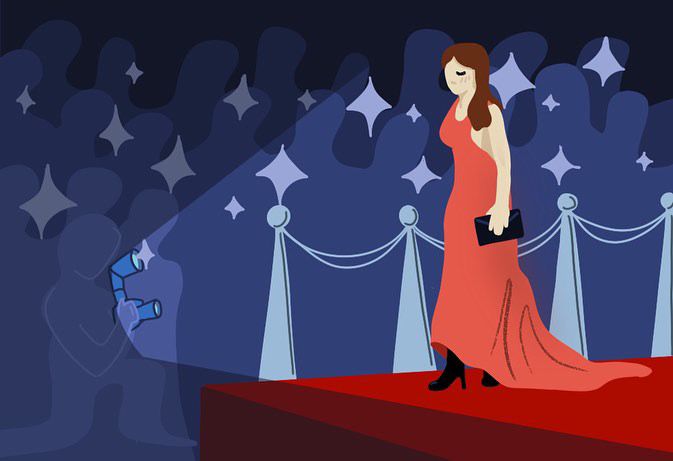
In the ever-evolving panorama of popular culture, the contours of fame have undergone a profound transformation over the past decades, or even centuries. What once seemed like an exclusive domain reserved for the exceptionally talented or simply blessed by the unpredictable hand of luck has now become an open arena, where the pursuit of celebrity is no longer a distant aspiration but a tangible reality for many. As the digital age propels us into an era of unprecedented connectivity, the pathways to fame have broadened, and the notion of celebrity has become more inclusive than exclusive. What does it mean to be famous today, when the spotlight is not reserved for a chosen few but extends its glow to virtually anyone with an internet connection? And, perhaps more importantly, in a landscape where every move and word is subject to global observation, what moral and ethical responsibilities rest upon the shoulders of those in the public eye?
Unveiling the Past
In the ancient epochs, fame manifested as a collective acknowledgment, a societal spotlight that illuminated those who made indelible marks in their respective domains. Take, for instance, the profound influence of philosophers like Socrates, whose philosophical dialogues resonated through the streets of Athens, shaping the intellectual landscape of an entire era. Meanwhile, artisans such as Phidias left an enduring legacy with their masterful sculptures decorating majestic temples, transforming mere craftsmanship into an art form immortalized in the annals of history. Noteworthy, too, were the endeavors of military leaders like Alexander the Great, whose conquests echoed across empires. In this bygone era, fame wasn’t merely a personal achievement but a communal acknowledgment, a recognition of one’s contributions that reverberated through the shared narrative of society.
The Early Days of Media
With the dawn of media, the evolution of fame embarked on an unprecedented trajectory, fundamentally reshaping the dynamics of public recognition. As newspapers, radio, and subsequently television took center stage, individuals found themselves propelled into the public eye on a scale previously unimaginable. Icons like Elvis Presley and Marilyn Monroe became not just entertainers, but global symbols, their personas transcending geographic boundaries. The advent of mass media ushered in a new era where fame was not merely a local affair but a phenomenon disseminated across vast audiences. This transformative influence marked a departure from traditional modes of recognition, introducing a paradigm shift in which the media played a vital role in sculpting the contours of celebrity. The concept of fame underwent a profound metamorphosis, laying the groundwork for the complex interplay between individuals and media platforms that characterizes the contemporary landscape of celebrity.
World’s First Celebrity
In the spotlight of history stands Sarah Bernhardt, by many regarded as the world’s first true celebrity. Beyond the theatrical brilliance that defined her stage career, Bernhardt’s remarkable life was a story spun with unconventional choices and unyielding determination. She fearlessly challenged societal expectations, both on and off the stage, showcasing a resolute sense of self. From wearing trousers in an era where it was forbidden for women to do so to openly engaging in a romantic affair with the artist Louise Abbéma, Bernhardt defied conventions with a boldness that set her apart as a pioneer. Unapologetic in her choices, she embraced single motherhood, giving her son her own surname and orchestrating attention-grabbing stunts, such as posing for a photograph while asleep in a coffin. The actress was able to strategically manage the power of image and marketing, creating a persona that fascinated reporters and earned her a legion of devoted fans. Her legacy, lasting well beyond her passing in 1923, testifies to the enduring impact of a woman who, with audacity and flair, secured her place in the history of celebrity.
The Era of Mass Media
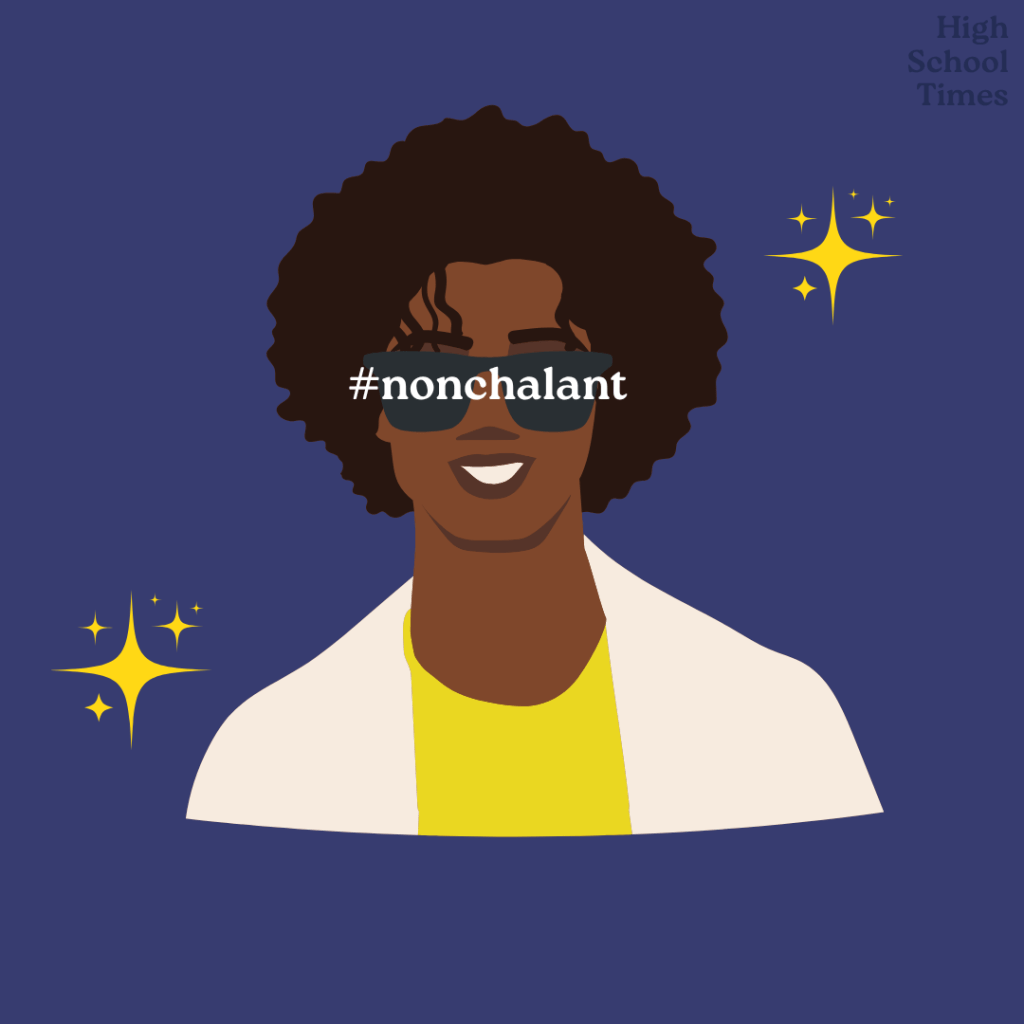
Modern-day celebrities are no longer confined to the silver screen or concert stages; they thrive in the dynamic landscape of social media, with platforms like TikTok acting as cultural accelerators. The emergence of the term “influencer” encapsulates this evolution, signifying individuals who wield considerable sway over audiences, often using their personal brand to endorse products and ideas. The ease with which fame can be attained in today’s world is unprecedented, with the virality of content on platforms like TikTok providing a direct path to recognition for millions. In the era, where anyone with a smartphone and a hint of charisma can become an influencer, fame is increasingly defined by the ability to capture attention, create engaging content, and cultivate a dedicated following, reshaping the traditional paradigms of celebrity.
Furthermore, the popularity of gossip blogs and websites adds another layer to the complexities of modern celebrity. Much like the relentless pace of paparazzi culture, the normalization of meticulously documenting and scrutinizing every move of public figures, this sustains an ongoing sense of surveillance. This intrusive gaze, whether fueled by the insatiable curiosity of audiences or the mechanisms of gossip media, raises ethical concerns about the boundaries of privacy and the toll on the mental well-being of individuals thrust into the spotlight
As influencers and celebrities grapple with the price of notoriety, the unfolding chapters of this digital era are marked by uncertainties, calling for a closer exploration of the responsibilities that accompany modern celebrity status.
Ethical Considerations in the Limelight
The rapid rise to fame, often without intentional pursuit, places certain individuals in a unique position of influence. In a digital landscape where every post holds the potential to resonate widely and mold public opinions, the ethical dimensions of their impact become paramount. Beyond self-presentation, influencers are tasked with a weighty responsibility to consider the broader societal implications of their influence, urging a thoughtful approach to their roles in shaping cultural narratives and perceptions. Their ascent to positions of considerable influence becomes especially problematic when – while holding the potential to inspire positive change – they opt to maximize their profits at the expense of their highly impressionable audience.
One pressing concern is the issue of eating disorders among adolescents, aggravated by the unrestricted exposure to images of unattainable beauty standards. This pervasive imagery not only perpetuates unrealistic ideals but also cultivates a detrimental culture where self-worth intertwines with conformity to narrow beauty norms, creating a threatening environment for vulnerable adolescents.
Adding to the complexities of the beauty sphere, influencers’ promotion of various products raises concerns about potential health risks for consumers. It unveils a potential danger zone, in which the desire for aesthetic enhancements overshadows the careful examination of product safety standards. In this complex reality, a crucial question emerges: could guiding the ethical considerations of freedom be possible? Could it become a vital safeguard against potential pitfalls in the digital age?
Bottom line
From the ancient amphitheaters to the digital realms of TikTok, the definition of fame has transcended traditional boundaries, navigating a trajectory influenced by media, mass media, and the emergence of influencers. However, as the pursuit of fame becomes more accessible, the accompanying responsibilities, ethical considerations, and the intricate interplay with media platforms raise critical questions. Finding the equilibrium between responsibility and creative freedom is crucial in shaping a future where influencers positively impact their audiences without compromising the essence of their content. This reflection should perhaps invite us to consider the delicate dynamics between influence and ethics, growing increasingly significant in the contemporary world.

 The Warsaw High School Times
Leave a comment